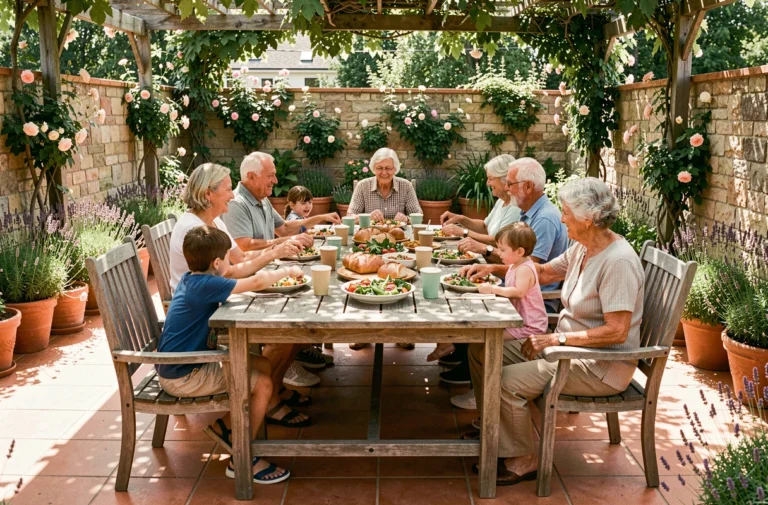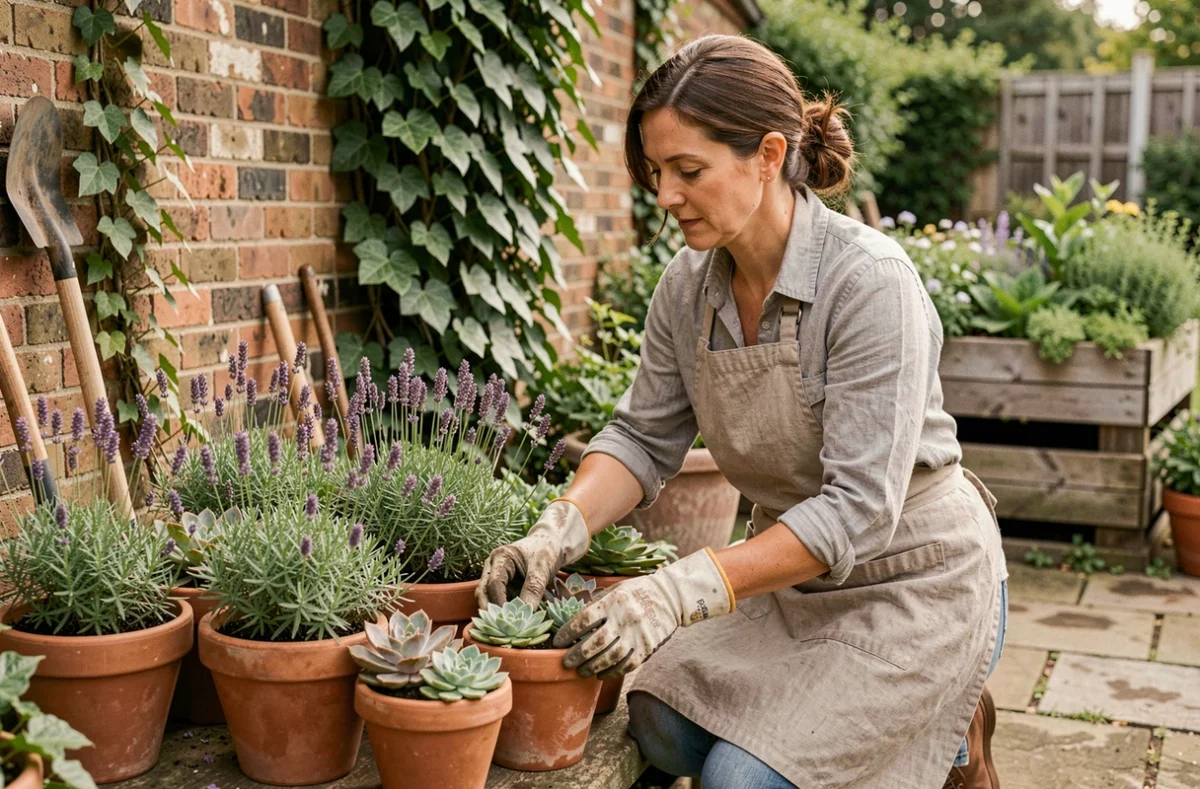
Transforming a garden does not necessarily require a significant budget or the intervention of a landscaper. Most changes that truly alter the appearance of an outdoor space rely on three levers: the choice of materials, water management, and the structuring of plant volumes. Before diving into a list of decorative ideas, understanding these basics helps avoid costly mistakes and ephemeral results.
Soil and Exposure Diagnosis Before Any Garden Development
The first step, often overlooked in creative guides, is to observe the land. Clay soil does not react like sandy soil when faced with rainwater. A south-facing exposure imposes heat constraints that immediately eliminate certain plants and materials.
The ADEME and Cerema recommend diagnosing the soil, exposure, and water availability before starting vegetation work. This diagnosis guides the choice between a bare soil area, a permeable surface, or a mineral surface.
Specifically, digging a 30 cm hole and observing the speed of water infiltration provides an initial indication. Soil that retains water for a long time is not suitable for raised wooden beds, which risk rotting from the base. Conversely, draining soil allows for pallet or reclaimed setups without heavy treatment. To explore suitable development options for each configuration, a useful resource is: https://www.100ideesjardin.fr/, which gathers ideas categorized by type of garden.
Deimpermeabilization: Replacing Slabs to Beautify and Cool
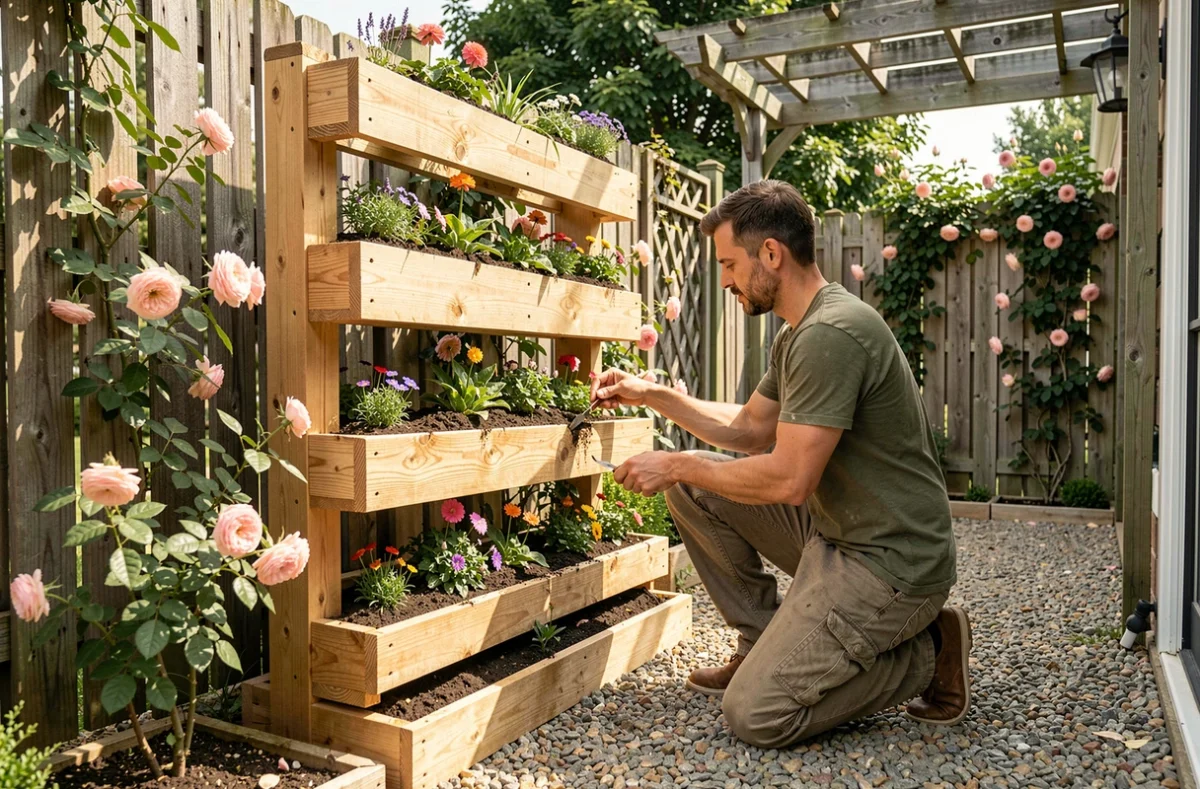
Deimpermeabilization involves removing part of the impermeable surfaces (concrete slabs, asphalt, compacted gravel) to replace them with bare soil or infiltrating areas. This is not only an ecological gesture: it is a radical visual transformation that sometimes costs less than new paving.
Replacing a strip of slabs along a wall with a bed of drought-resistant perennials creates a sense of depth and reduces the heat felt in summer. Succulents, grasses, and persistent ground covers require little maintenance once established.
Where to Start Deimpermeabilization
- Identify underused impermeable areas (secondary paths, terrace edges, fence bases) and remove the covering over a strip at least 50 cm wide
- Check that the soil underneath is not polluted or too compacted; if so, adding topsoil will be necessary before planting
- Favor local plants adapted to your region’s climate, as they root better and require less watering than exotic species
This approach is part of a broader trend: adapting to climate change is becoming a design criterion for private gardens, not just for public spaces.
Rainwater Harvesting: A Useful and Decorative Setup
A rainwater collector does not need to look like a gray plastic tank placed against a wall. Dressed in pallet wood, integrated into a flower bed, or hidden under a garden bench, it becomes a decorative element in its own right.
Collecting rainwater reduces dependence on the network and allows for unrestricted watering during dry spells. The principle is simple: divert a downspout to a watertight container equipped with a tap. Homemade models made from reclaimed food barrels work just as well as commercial models.
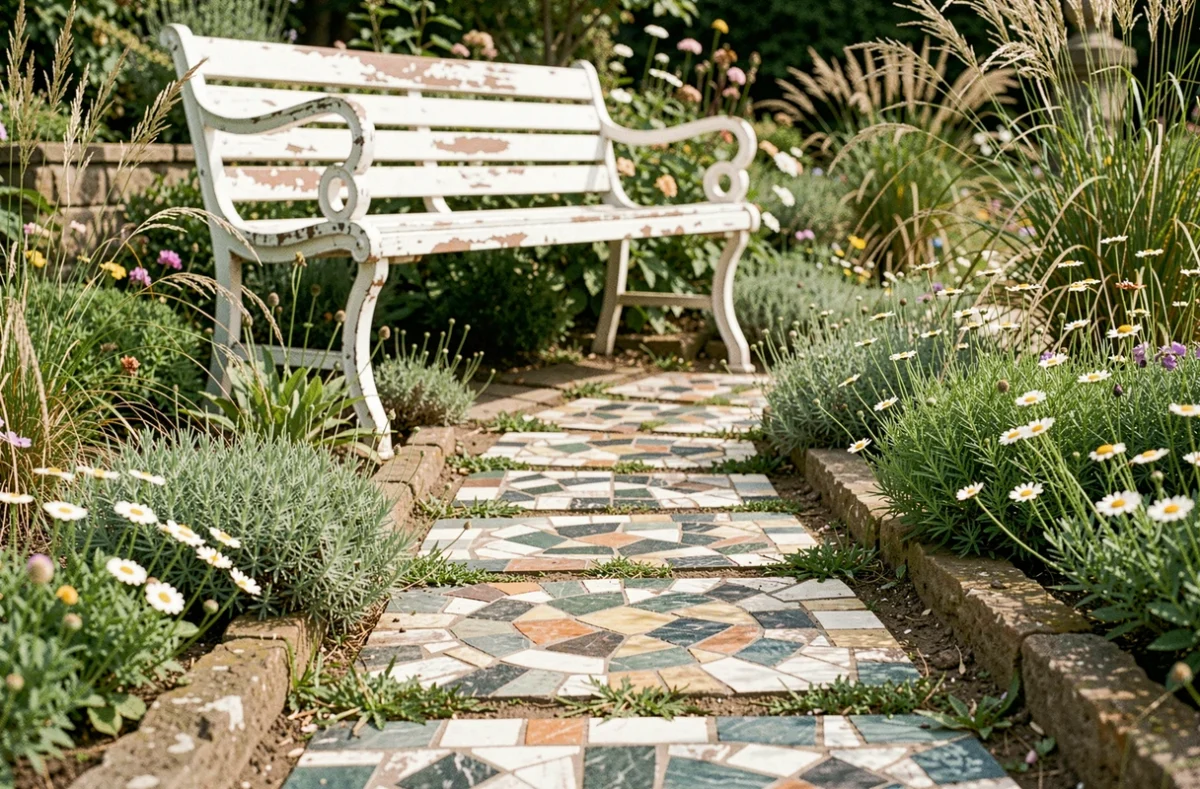
The trick that changes the garden’s appearance: elevating the collector on a wooden or cinder block structure allows for a small basin or planter to be installed below, fed by the overflow. The water that spills over after heavy rain then directly irrigates the plants instead of running off into the street.
Local Hedges and Biodiversity in the Garden: A Sustainable Choice
French regulations strengthen the protection of hedges and tree alignments. For a private garden, this orientation provides a concrete argument in favor of hedges composed of local species rather than monocultures of thujas or palm laurels.
A mixed hedge (hazel, hornbeam, dogwood, privet) offers blooms spread over several months, berries for birds in autumn, and varied foliage that creates a naturally changing decor. It also serves as a windbreak, a filter against erosion, and a refuge for beneficial garden creatures, such as ladybugs or lacewings.
Structuring Volumes with Plants
Rather than planting in a line, alternating shrubs of different heights creates a wave effect. A low shrub (60 cm) in front of a tall shrub (2 m) adds depth, even in a small city garden. Adding a tall grass between two leafy shrubs brings movement whenever the wind blows.
A garden that appears larger relies on height variation, not on actual square footage. Three plant layers (ground cover, shrub, tree) are enough to create this illusion in a space of just a few square meters.
Garden Treatment Products: What Regulations Impose on Individuals
Many creative projects involve raw wood, pallets, or reclaimed materials that one wishes to protect against insects or moisture. Treatment products intended for individuals must be explicitly authorized for amateur use and comply with labeling, dosage, and distance conditions from water points.
Chemically treated pallet wood (MB marking, for methyl bromide) should not be used for a vegetable garden or an herb planter. Only pallets marked HT (thermal treatment) are suitable for food contact. Checking the marking before recycling a pallet prevents introducing undesirable substances into the garden soil.
This precaution also applies to stains, varnishes, and paints used on outdoor furniture. A “natural” product is not automatically risk-free or free for use: the label’s mention “authorized for use in gardens” (EAJ) remains the only reliable reference.
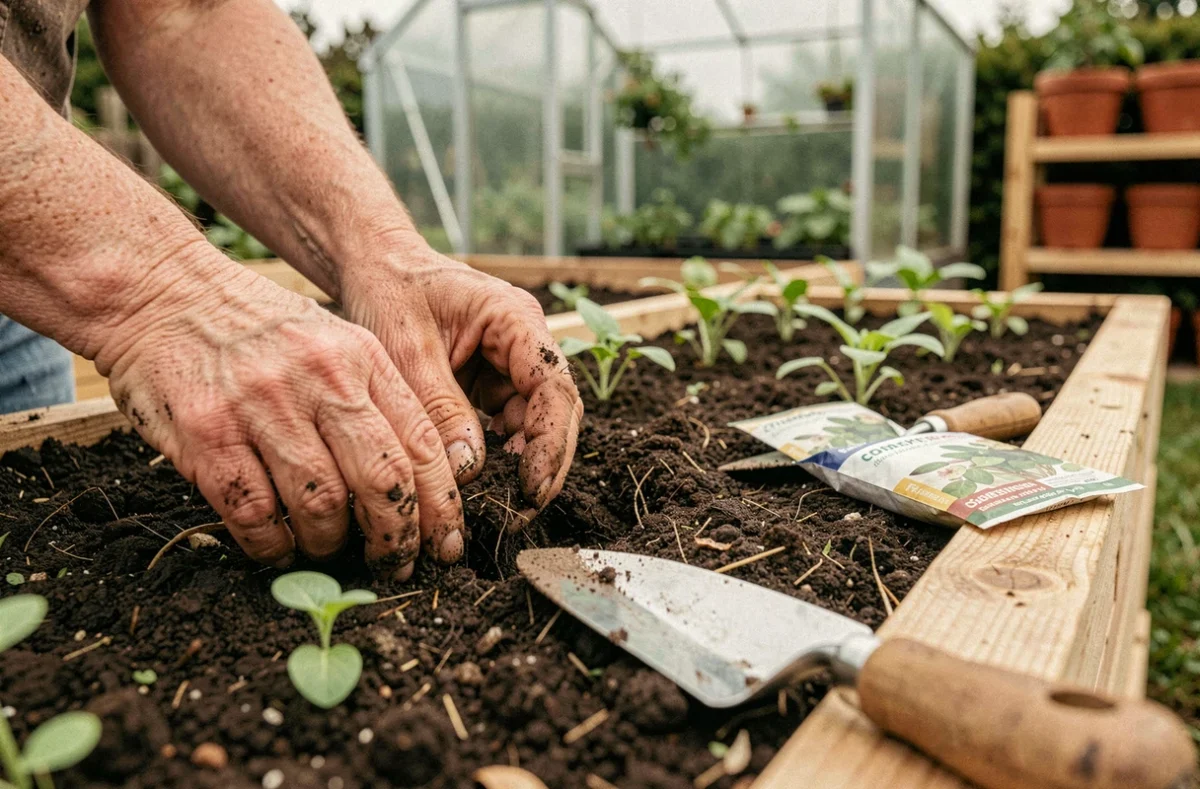
Beautifying a garden sustainably relies less on accumulating decorative objects and more on understanding the land, the water cycle, and the plants suited to the location. A recycled pallet as a vertical planter adds character, but placed on poorly drained soil, it will rot in one season. The prior diagnosis remains the most cost-effective gesture, the one that transforms an appealing idea into a lasting setup.