
A square of white fabric, exposed for five minutes to the smoke of a smoke bomb, sometimes retains invisible traces. They reappear later, in the form of halos or stubborn discolorations. The pigments, for their part, follow no simple logic: their behavior varies unpredictably from surface to surface. The same product will not have the same effect on a velvet sofa, a synthetic curtain, or a raw wood table.
The residues generated by certain smoke bombs easily embed themselves in synthetic fibers. Wool or cotton, depending on their prior treatment, react unevenly. On porous surfaces, the retention of colorants from combustion intensifies: the slightest micro-deposit settles in, sometimes for good.
Add to this the fluctuations in temperature or humidity: these variables multiply the risk of stains, regardless of the color or type of smoke bomb. Even a methodical use, respectful of the rules, does not guarantee a result without the slightest mark. Anticipation is never superfluous.
What types of smoke bombs to choose according to your needs and the surfaces concerned?
The choice of smoke bomb is not trivial. One must consider the target to be treated, the immediate environment, the nature of the materials present, and the context: professional or domestic use? Bed bug smoke bombs are designed to act quickly while limiting the diffusion of colorants. Their format, “pot” or “one shot,” determines the treated surface and the concentration of the product. A fuse smoke bomb, on the other hand, allows for finer dosing and greater control over the affected area: an advantage for preserving sensitive textiles.
Recommended types and uses
To help you navigate, here are some principles to apply according to the situation:
- For a bed bug treatment in a bedroom, prefer a device with low emissions of volatile organic compounds. The impact on sheets, curtains, or mattresses remains thus reduced.
- In a multipurpose room (living room, office), choose a smoke pot with controlled ignition. Respecting the safety distance, usually a few meters, protects your furniture and objects from particle deposits.
As soon as one is interested in the stain risks with smoke bombs, the question of the suitable product arises. An unsuitable or poorly applied treatment can leave irreversible marks on furniture or clothing. A bed bug smoke bomb must eliminate the infestation but also spare the general condition of the room. Everything relies on mastering the action: ignition, ventilation after use, and consideration of the materials involved. This is the key to an effective and respectful treatment of the premises.
The environment requires special attention as soon as delicate fabrics, unvarnished woods, or abundant plastics are present. Prepare each area: remove what is at risk, set aside fragile clothing and objects. Treating also means ensuring the safety of people and preserving what surrounds you.
Common mistakes that promote stains: what to really avoid
In the face of a bed bug infestation, acting quickly often seems like the priority. However, haste opens the door to stains. Too often, the smoke bomb is activated without clearing the room: a sweater on a chair, unrolled curtains, books left open. The smoke, laden with particles, seeps everywhere and marks the most vulnerable textiles.
Another frequent mistake: forgetting to ventilate after use. Trapping the fumigation in a confined room does not enhance the product’s action, contrary to what some might think. It only fixes the deposits on the surfaces, worsening the risk of stains on furniture and fabrics.
Respecting the safety distance is essential. A smoke pot or a pin smoke bomb placed too close to an object exposes it to projections of ashes or micro-droplets. Manufacturers detail this rule in their instructions: neglecting it exposes you to visible damage.
After the intervention, the reflex to clean with water or solvent often worsens the situation. Moisture can fix colorants in the fibers, leaving difficult-to-remove halos. Each material requires its own cleaning method: it is better to wait and act with discernment.
A well-prepared room, careful ventilation: this is what truly protects your belongings. Without these precautions, even a professional intervention can leave traces that would be better avoided.
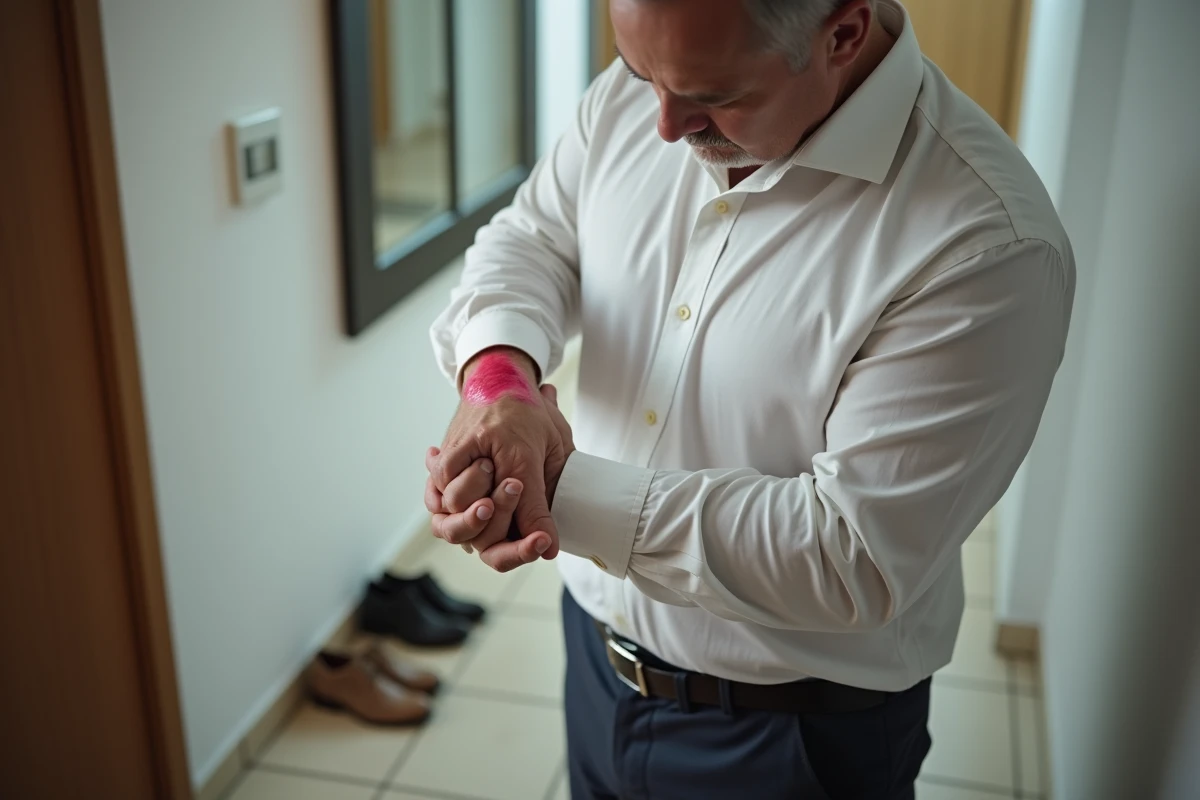
Smart protocol: effectively protect clothing and surfaces when using a smoke bomb
Preparation makes all the difference. Before launching the fumigation, remove from the room everything that is at risk: clothing, delicate fabrics, personal items. Seal them in airtight bags, stored at a safe distance. Sensitive surfaces – untreated wood, leather, electrical devices, books – deserve careful covering: a cotton sheet or plastic film, placed without direct contact, is often enough to limit damage. It is better to anticipate: the stakes are not just aesthetic.
Respect the safety distance indicated on the product packaging. Place the smoke bomb in the center of the room, on a non-flammable and clear support. This positioning reduces particle deposits on the edges and preserves surrounding objects.
After the treatment, wait the recommended time before ventilating. This step conditions both the effectiveness against bed bugs and the limitation of residual deposits.
For the cleaning, proceed in stages: vacuum the dry residues from the furniture, wash textiles at high temperature, avoid washing with running water on freshly treated areas. The products used during the disinfection can leave invisible traces, especially on light fabrics, which only meticulous maintenance can eliminate.
Calling in a professional remains the safest solution to combine results and preservation of belongings. This choice also limits exposure to volatile organic compounds, common during an anti-bed bug fumigation, and ensures a protocol respectful of your environment.
On your sofa, your curtains, or your floor, every precaution taken today shapes the difference between a successful treatment and a persistent stain. The real challenge is often to leave no trace, neither on the surfaces nor in the memories.